The 3-3-3 Rule: Helping an Adult Dog Settle Into Their New Home
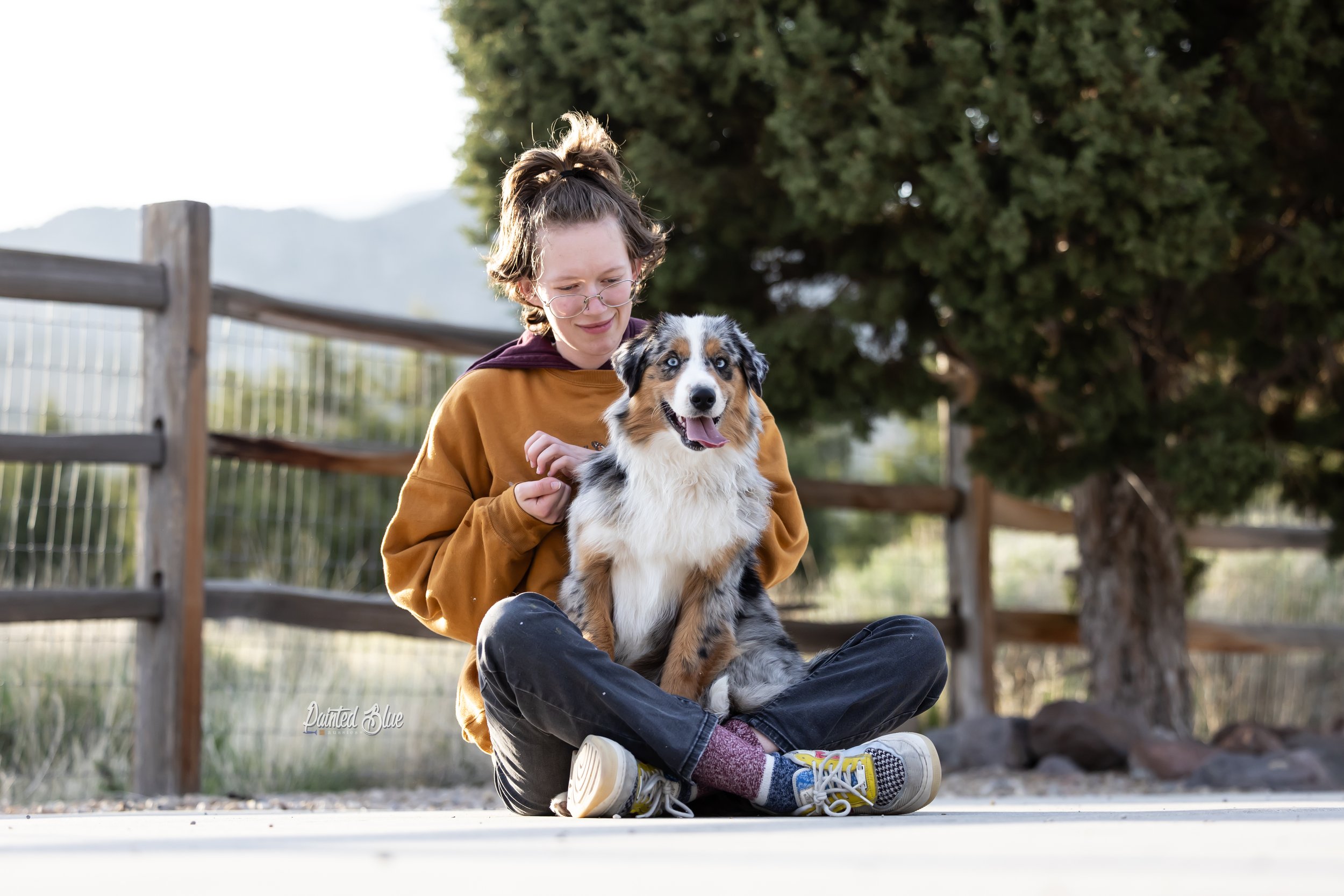
Understanding the adjustment period when welcoming an adult Australian Shepherd or Mini American Shepherd into your home.
Bringing home an adult dog can be a wonderful experience, but it’s important to understand that adult dogs may need time to adjust to a new environment. Even confident, well-socialized dogs are leaving behind everything familiar and learning an entirely new routine.
The 3-3-3 rule is a simple guideline many people use to understand the typical stages dogs go through as they settle into a new home. While every dog is different, this framework can help families approach the transition with patience and realistic expectations.
3 Days 3 Weeks 3 Months
The First 3 Days: Decompression
The first few days are often about decompression. Your dog has just left everything familiar — their environment, routines, and the people they knew before.
During this stage it is normal for a dog to seem quiet, unsure, or even slightly withdrawn. Some dogs may sleep a lot, while others may feel restless or unsure of their surroundings.
The best approach during this time is to keep things calm and predictable. Allow your dog space to observe and adjust without pressure. Gentle routines, quiet bonding time, and patience go a long way during these first few days.
The First 3 Weeks: Learning the Routine
Over the next few weeks, your dog begins to understand the rhythm of their new life. They start learning your household routine, expectations, and daily schedule.
This is often when personality begins to emerge. A dog who seemed shy at first may become more playful and confident. At the same time, some behaviors may appear as they test boundaries and figure out how things work in their new environment.
Consistency helps during this stage. Clear routines, gentle guidance, and positive reinforcement help a dog feel secure and understand what is expected.
First 3 Months: Building Trust & Belonging
By the three-month mark, most dogs are beginning to feel truly settled. They understand the household routine and have started forming deeper bonds with their family.
This is when many dogs begin to fully relax and show their true personalities. Confidence grows, trust deepens, and the relationship between dog and family really begins to flourish.
Every Dog Is Different
The 3-3-3 rule is simply a guideline. Some dogs settle in very quickly, while others take more time to adjust. Adult dogs, especially those who have lived in a structured breeding home, may be experiencing many new things all at once.
Patience, consistency, and understanding make all the difference. With time and care, most adult dogs transition beautifully into their new lives.
At Painted Blue Aussies, we are always happy to offer guidance and support during this transition so both our dogs and their new families can thrive together.
Important Guidelines During the Adjustment Period
Bringing an adult dog into a new home is a transition for everyone involved. Keeping things calm, structured, and predictable during the first few months helps your dog feel safe while they learn their new environment and begin forming a bond with you.
Keep Your Dog Secure at All Times
For the first three months, your dog should never be off leash outside of a securely fenced area. They should not be allowed to roam freely or be left unattended outdoors.
Even very well-socialized dogs can be a flight risk when placed in a completely unfamiliar environment. When a dog becomes frightened or disoriented in a place they do not recognize, their instinct may be to flee rather than seek help. A dog that is lost in unfamiliar surroundings can quickly become difficult to approach or recover.
During this adjustment period, always use a leash, secure fencing, and careful supervision to keep your dog safe.
Make sure your dog is wearing identification and that their microchip information is updated immediately after bringing them home. It is also important to be especially careful with doors, gates, and garages during the first few weeks, as dogs who are still learning their surroundings may try to slip out unexpectedly.
Keep the Routine Simple and Predictable
Avoid making major changes to the routine your dog had before coming home with you. Too many changes at once can be overwhelming.
Consistent feeding times, potty breaks, and quiet rest periods help dogs settle in more quickly. Your dog may also benefit from using a crate during the transition. A crate provides a safe place to rest and helps maintain structure while both you and your dog adjust to the new routine.
Limit Freedom in the Home at First
Even well-trained dogs may have a few potty mishaps during the adjustment period. Stress and unfamiliar routines can temporarily disrupt house training.
Limiting your dog’s access to the home at first helps prevent accidents and allows them to gradually learn the routines of their new household. As your dog settles in and becomes comfortable, their freedom in the home can slowly expand.
Avoid Overwhelming Introductions
In the beginning, it is best not to overwhelm your new dog with too many unfamiliar people or dogs. Large gatherings, dog parks, and frequent visitors can be stressful for a dog who is still learning where they belong.
Focus on helping your dog bond with the members of their new household first. Once that trust begins to form, your dog will feel much more confident navigating new people and environments with you.
Appetite and Bathroom Habits May Be Temporary
Some dogs may eat, drink, or potty less than usual during the first few days. This is a normal response to stress and adjustment.
Give your dog time, maintain a consistent routine, and allow them to settle at their own pace. Most dogs begin returning to normal habits once they start feeling safe in their new home.
Understanding the Transition from a Breeder Home
Many adult dogs coming from a responsible breeding program have lived in structured environments with consistent routines, familiar people, and dogs they have known for a long time. While they are typically well-socialized and accustomed to daily interaction, moving to a completely new home is still a major change.
Your dog may need time to adjust to different household sounds, new routines, and being separated from the environment they previously knew. This adjustment period is normal and does not reflect the dog's temperament or long-term potential. With patience, consistency, and time to build trust, most adult dogs settle in beautifully and form strong bonds with their new families.
Finding the Right Home for an Adult Dog
Adult dogs can make wonderful companions for families who are prepared to give them the time and understanding they need during the transition period. With patience, consistency, and a calm environment, most adult dogs settle in beautifully and quickly become deeply devoted members of their new families.
If you are interested in welcoming an adult Australian Shepherd or Mini American Shepherd into your home, you can learn more about any dogs currently available below.