Mini aussie & Miniature American Shepherd Health Testing & Genetic Diversity
Our Approach to Health & Preservation
Miniature American Shepherds, also known as Mini Australian Shepherds, are generally a healthy breed, however like all breeds they have known hereditary conditions that responsible breeders monitor. Health testing is an essential part of responsible breeding. The goal is not simply to produce puppies, but to protect the long-term health, structure, and temperament of the Miniature American Shepherd.
We follow current parent club recommendations and utilize both orthopedic evaluations and DNA testing to guide thoughtful pairing decisions. Health screening allows us to reduce preventable risk while maintaining the qualities that define the breed.
However, health testing is only one part of the equation. Responsible preservation also requires attention to genetic diversity and population health.
Parent Club Recommended Health Testing
Why We Health Test
Health testing is one of the ways we care for the long-term future of the breed. It provides important information when planning litters and helps reduce the risk of certain inherited conditions.
Testing allows breeders to make informed decisions when pairing dogs and helps maintain the health, structure, and longevity of future generations.
Core Health Testing
The Miniature American Shepherd parent club recommends the following evaluations for breeding dogs:
Orthopedic Health
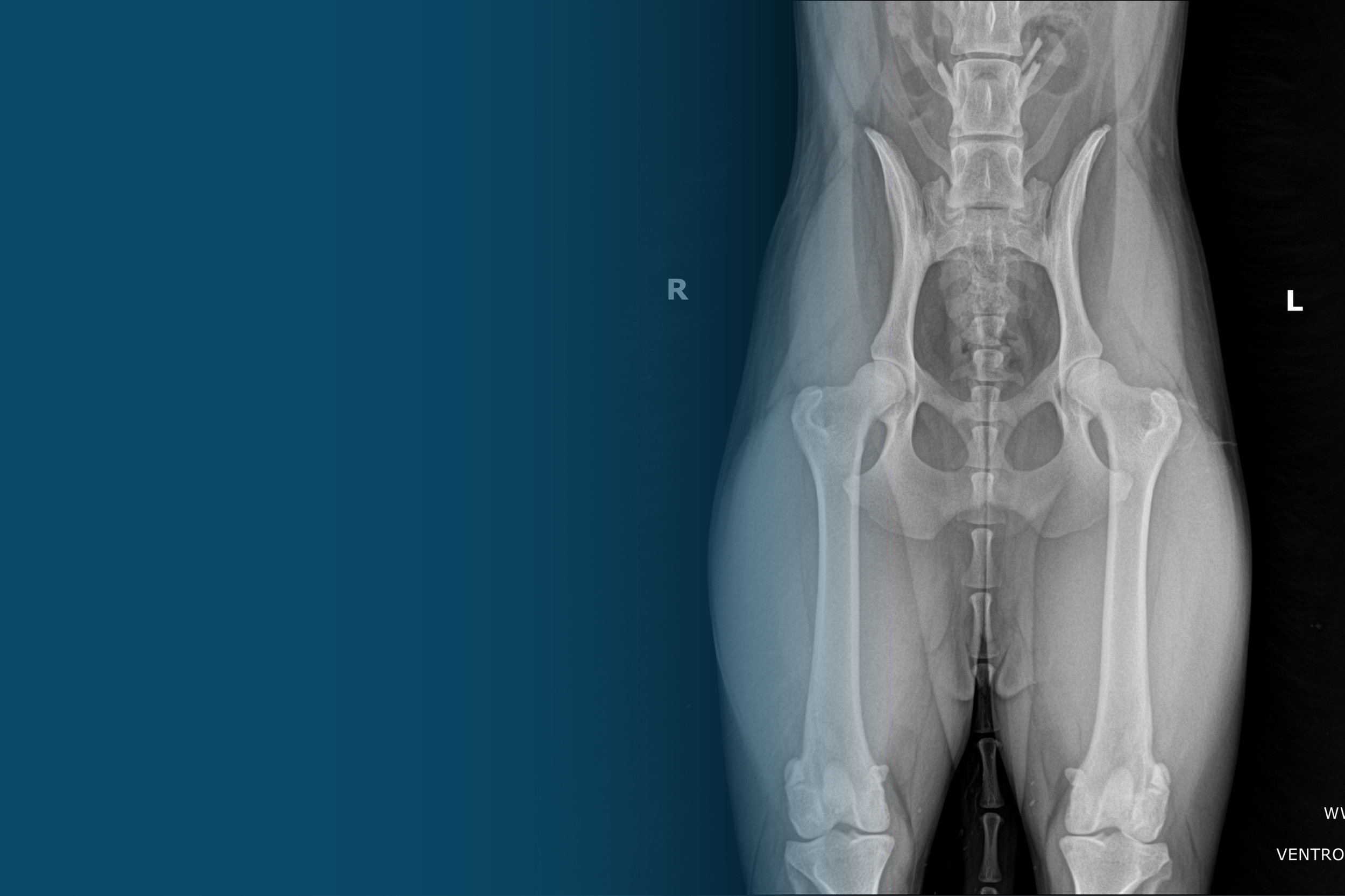
• Hip Dysplasia Evaluation (OFA, PennHIP, or FCI)
Eye Health
• Annual ACVO Eye Examination
• Hereditary Cataracts – Australian Shepherd Type (HSF4)
Genetic Testing
• Progressive Retinal Atrophy – PRCD
• Multiple Drug Sensitivity (MDR1)
• Neuroaxonal Dystrophy – Miniature American Shepherd Type (NAD)
Additional Health Screenings
In addition to these recommendations, there are optional screenings that may be considered depending on pedigree, lines, and individual dogs. These tests identify conditions that have been observed within the breed population and may be relevant in certain pairings.
Optional or additional testing can include:
Orthopedic Evaluations
• Elbow Dysplasia Evaluation
• Patellar Luxation Evaluation
Physical Evaluation
• Dentition Evaluation
Eye Health
• Collie Eye Anomaly (CEA) DNA test
• Multifocal Retinopathy 1 (CMR1) DNA test
Genetic Health Screening
• Degenerative Myelopathy (DM) DNA test
• Chondrodystrophy (CDDY) DNA test
• Chondrodysplasia (CDPA) DNA test
• Hyperuricosuria (HUU) DNA test
Additional DNA Screening
Additional DNA screenings sometimes utilized in the breed include tests for rare or pedigree-specific conditions that may appear in certain lines.
Eye & Vision Conditions
• Cone Degeneration (CD)
• Non-HSF4 Cataracts
Neurological Conditions
• Neuronal Ceroid Lipofuscinosis 6 (NCL6)
• Neuronal Ceroid Lipofuscinosis 8 (NCL8)
Musculoskeletal Conditions
• Craniomandibular Osteopathy (CMO)
Exercise & Metabolic Conditions
• Exercise-Induced Collapse (EIC)
Skin Conditions
• Junctional Epidermolysis Bullosa (JEB)
Cardiac Evaluation
• Cardiac auscultation (physical veterinary or cardiologist examination)
Merle Genetics
We also evaluate the M locus (PMEL) responsible for the merle coat pattern. While not a disease, understanding merle genetics is important for safe breeding practices and avoiding double merle combinations.
Using Health Testing Responsibly
Testing is not about creating “perfect” dogs. It is about gathering information and using it thoughtfully. Not every test is appropriate for every dog or every pedigree. Responsible breeding involves understanding which screenings are relevant and how results interact with the overall genetic picture.
Documentation of health testing is available, and we are always happy to discuss results and how they inform our pairing decisions.
Genetic Diversity, Risk Reduction, & Responsible Balance
Health testing gives us valuable information, but responsible breeding is rarely a simple yes or no. The goal is always to breed toward better health, soundness, and quality of life, while also protecting the long-term genetic health of the breed. In a limited population, removing every dog for every minor concern can unintentionally narrow the gene pool and create genetic bottlenecks, which can bring new problems of their own.
This is where balance matters. Some findings are clear deal-breakers. Others fall into grey areas where the right decision depends on the whole picture, including the dog’s overall health, structure, temperament, pedigree depth, and what is already common or scarce within the breed.
It also helps to understand what genetic results actually mean. Many conditions are recessive, and a carrier is not affected. When a carrier is bred to a clear dog, affected puppies for that specific condition are not produced. Other genes are incomplete dominant or have variable expression, meaning a dog with one copy may show mild signs, or the impact may be unclear. Some tests identify variants that are known to cause disease in other breeds, but have not been clearly proven to cause the same problem within the Miniature American Shepherd population.
Because health is not always controlled by a single gene, we also consider the bigger picture, including polygenic influence and how traits may compound over time. This is one reason we avoid rigid, one-size-fits-all rules and instead make pairing decisions intentionally, with the welfare of the dogs and the long-term future of the breed in mind.
We will never knowingly breed dogs with glaring issues that compromise quality of life. Our goal is informed selection, thoughtful pairing, and steady improvement, while maintaining the genetic diversity needed for a healthy breed population.
Good breeding decisions are not about perfection. They are about informed responsibility.
What Health Testing Can and Cannot Guarantee
Health testing significantly reduces the risk of certain inherited conditions. It allows breeders to make informed decisions and avoid predictable genetic combinations that could produce affected puppies. That matters.
However, no amount of testing can guarantee a completely risk-free outcome. Biology is complex. Not every condition has a DNA test. Some traits are influenced by multiple genes. Others may not appear until later in life. Environment, nutrition, injury, and normal aging also play a role in long-term health.
Testing is a tool. It improves the odds. It does not create perfection.
Responsible breeding is about reducing preventable risk, selecting for sound structure and stable temperament, and continuing to learn as science evolves. It is also about transparency, discussing what is known, what is unknown, and how decisions are made.
Our goal is not to promise a flawless dog. Our goal is to thoughtfully stack the odds in favor of long-term health and quality of life.
Transparency and Documentation
We believe health testing should be transparent and accessible. Results for our breeding dogs are publicly posted and available for review. We are always willing to discuss individual test results and what they mean in practical terms.
Health science continues to evolve. New tests become available over time, and recommendations may shift as research develops. Because of this, our contract reflects that available testing panels can change. If a prospective buyer has questions about a specific condition or would like to see documentation for a particular test, we welcome that conversation.
Responsible breeding is a shared responsibility. We are committed to providing clear information about our dogs and our decisions. We also encourage families to educate themselves, ask thoughtful questions, and understand how health results factor into pairing choices.
Openness builds trust. We are comfortable discussing both strengths and areas of consideration within a pedigree.
Health testing, genetic diversity, structure, and temperament all work together. No single test, title, or result defines a breeding program. What matters most is the willingness to evaluate honestly, make thoughtful decisions, and continue improving with each generation.
The aim is always to move closer to excellence. We select with the intention of producing dogs that are healthier, sounder, and better suited for long, full lives. At the same time, breeding is a living process. Each generation teaches us something, and we adjust accordingly.
Perfection may be the direction we point ourselves toward, even if we never fully arrive. What we can promise is continued learning, careful decision-making, and a steady commitment to the long-term welfare of the breed and our dogs.